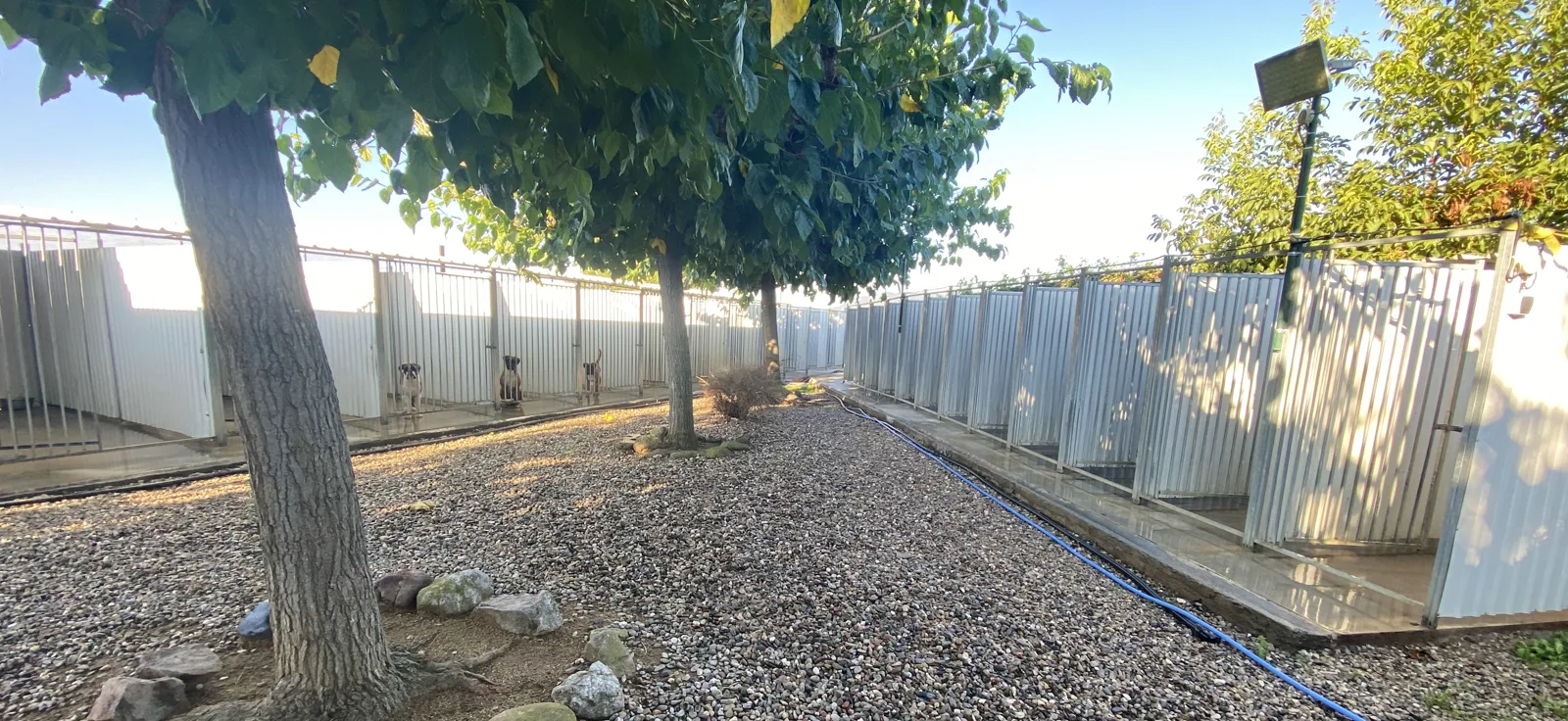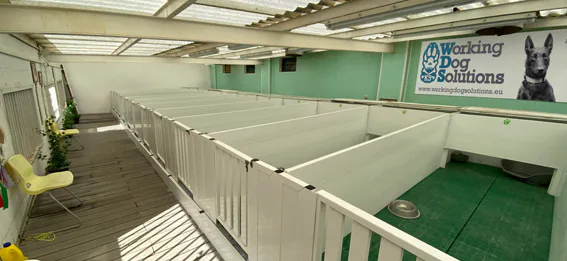
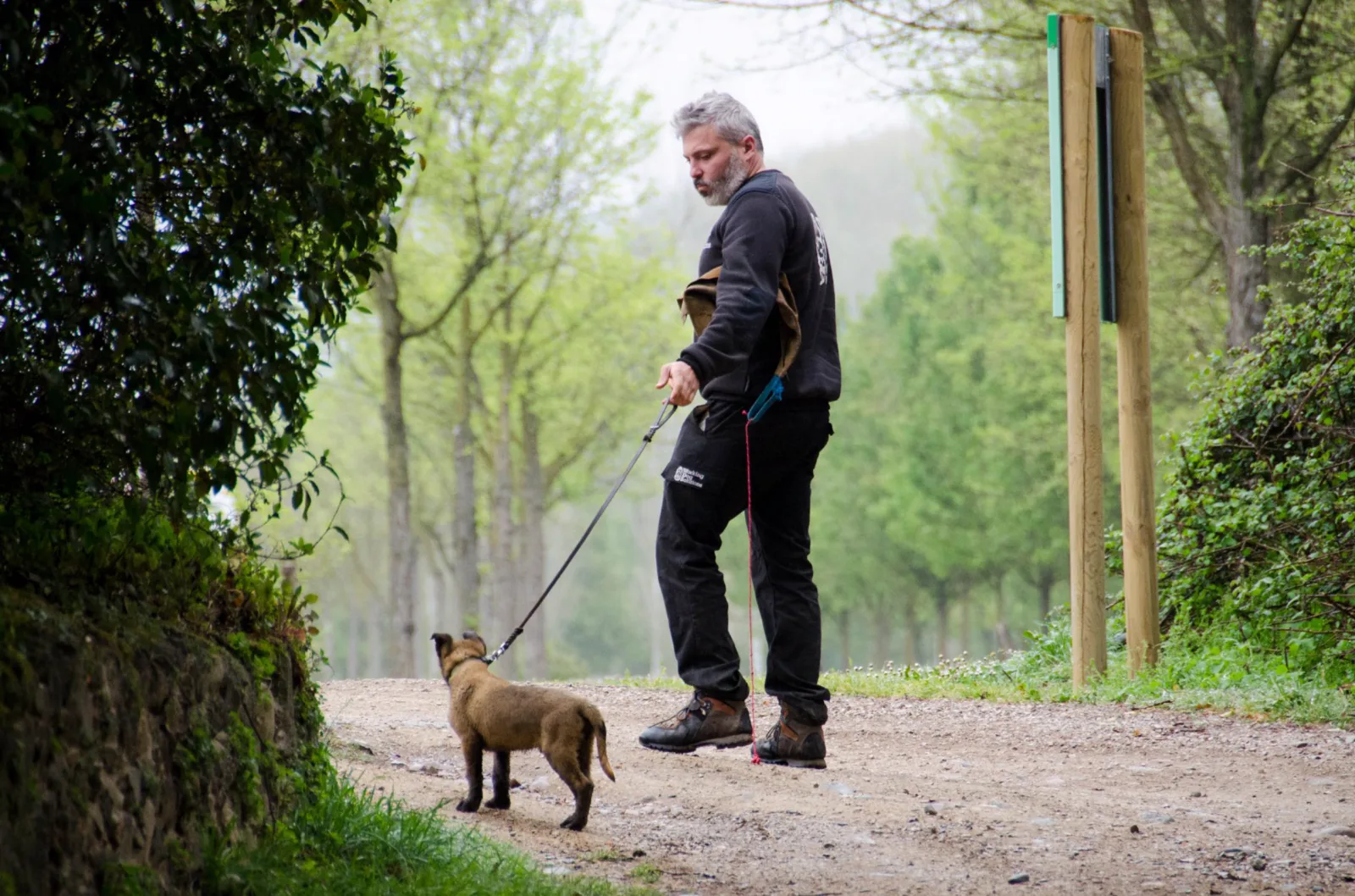
Residential training combines a stay with structured educational work. It can build an intensive foundation, but it cannot replace the family’s involvement afterwards.
When it can add value
It can help when routines, self-control or practical handling tools are missing, and when the team needs to observe the dog over several days to understand the problem properly.
Assessment must come first
Not every behaviour requires a residential programme and not every dog responds in the same way. The plan should reflect the dog, its context and the family’s realistic objectives.
Returning home is part of the programme
Progress lasts only when the family understands the guidance and applies it consistently. Handover and follow-up matter as much as the work completed during the stay.
Frequently asked questions
Common questions
Will residential training completely change my dog?
There are no universal outcomes. The programme can build progress and useful tools, but development depends on the individual case and continued work at home.