The best boarding centre is not necessarily the closest or the one with the prettiest photographs. It is the one that can explain how it cares for, observes and adapts each dog’s stay.
See the real facilities
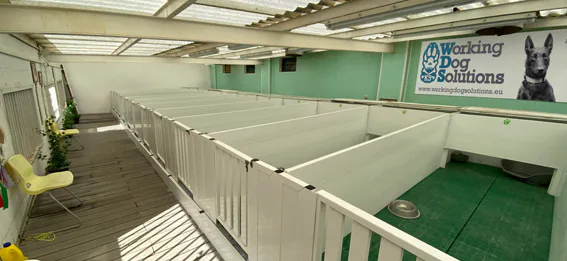
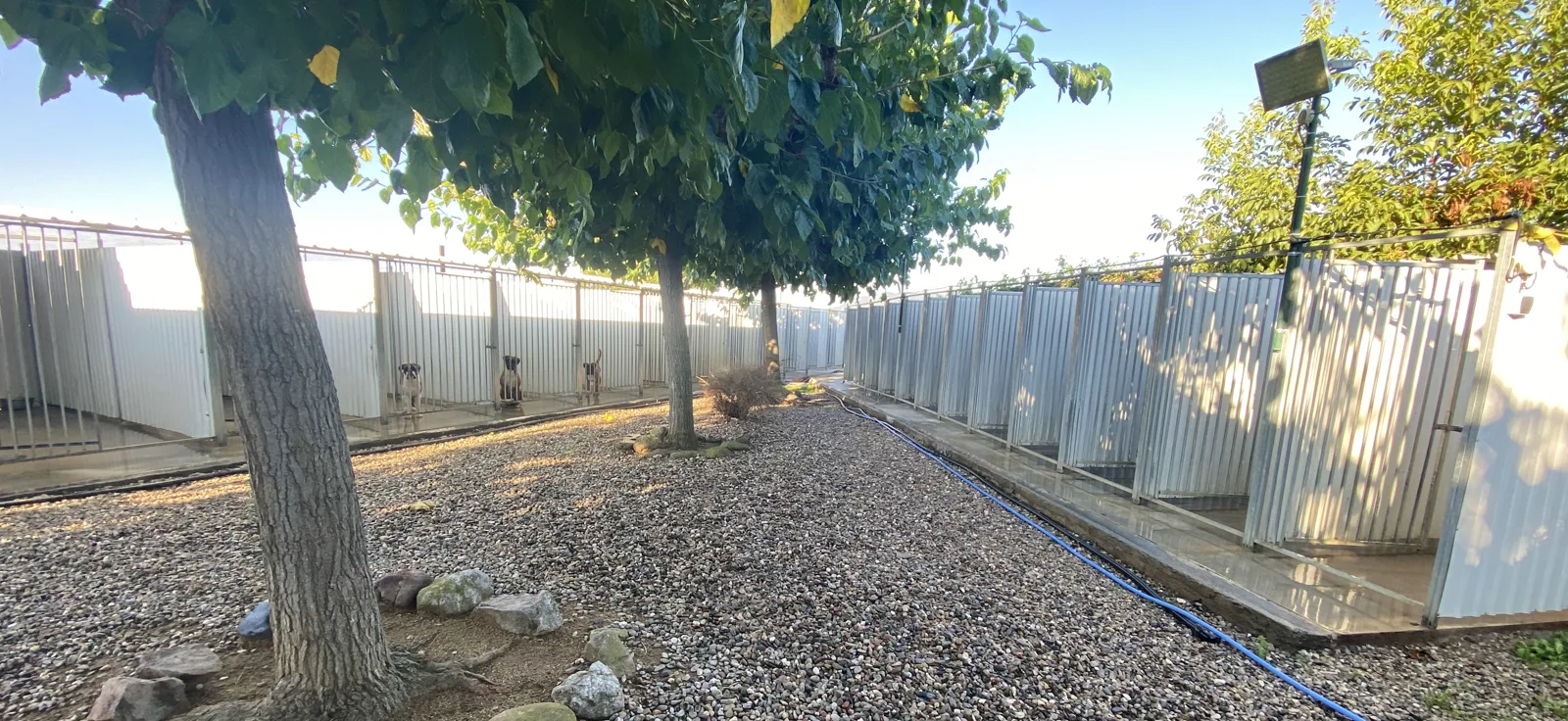
Ask to see where your dog will rest, exercise and receive care. The spaces should be clean, secure, ventilated and suitable for each guest’s size and temperament.
Ask about the daily routine
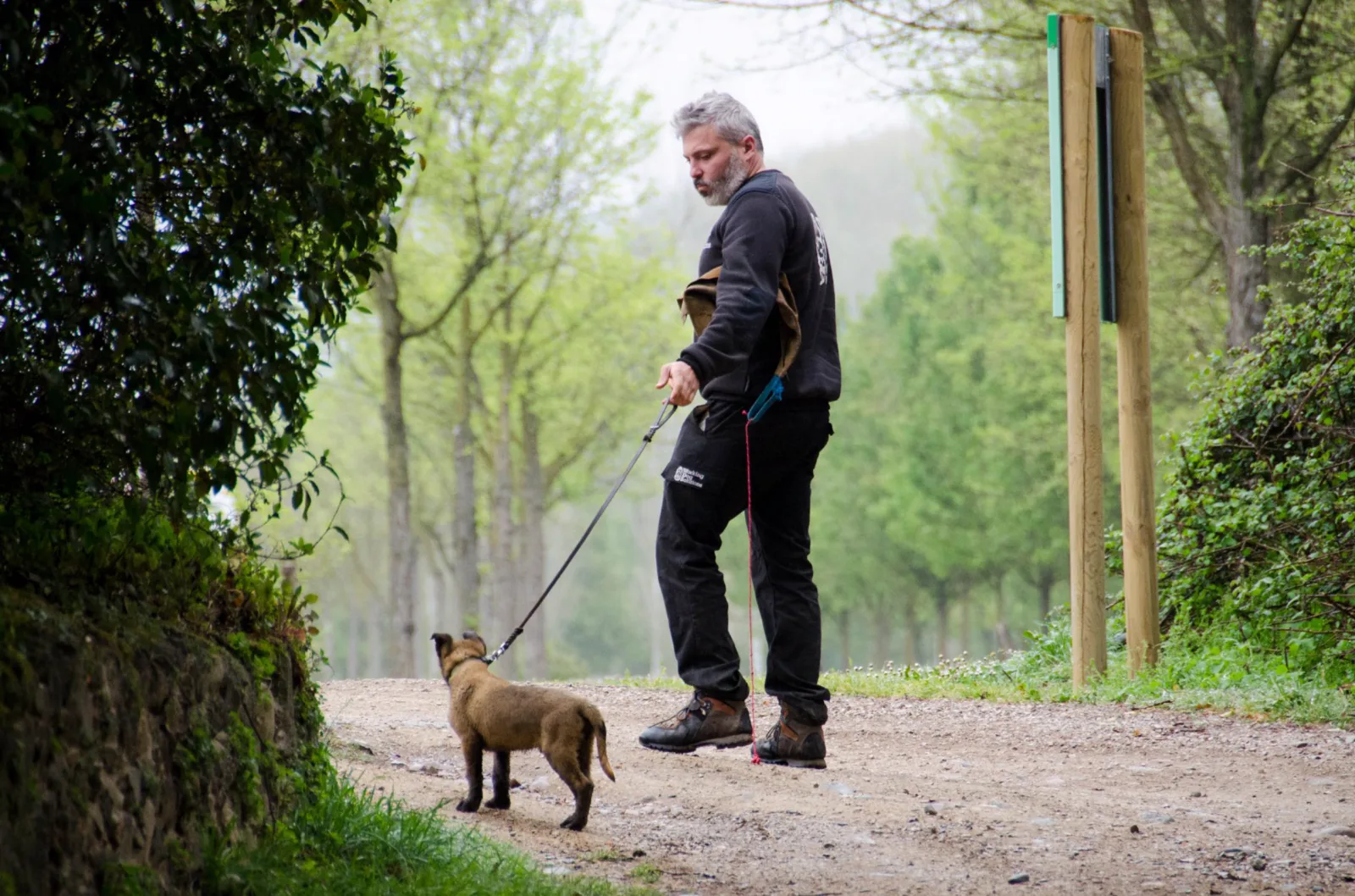
A good centre can explain its schedules, exercise, feeding, rest and supervision. The routine should change when a dog needs more calm, activity or individual handling.
Check safety and health requirements
A registered microchip, an up-to-date health record and advance notice of medication or special needs help protect every animal staying at the centre.
- Secure access and enclosures
- A clear incident protocol
- Veterinary contact when required
Assess the communication
Reasonable, honest updates help you understand how your dog is adapting. It is also a good sign when the team asks about routines, home life and possible difficulties before accepting the stay.
Avoid universal promises
Every dog experiences separation and a new environment differently. A professional centre assesses the case and recommends the appropriate option, including a trial stay when needed.
Frequently asked questions
Common questions
Is a trial useful before a long stay?
For sensitive dogs or dogs with no previous boarding experience, a short stay can help assess adaptation and adjust the routine.
What documents does a boarding centre usually request?
Centres normally request a registered microchip, an up-to-date health record and information about medication, food and special needs.